It is not the strongest or the most intelligent who will survive but those who can best manage change.
- Darwin
Salt was born out of our own struggle to make AI truly run large scale operations. We tried individual agents, automation, and every quick fix we could think of, none of it delivered.
Salt sets out to make agents feel more like ants, not humans, embracing collective intelligence.
Problem
AI is advancing fast, but it's advancing alone. Dozens of specialized agents operate brilliant, but blind and alone. Like ants without a colony, they wander.
The real gap isn't in intelligence, it's in coordination. The absence of a shared memory layer keeps agents from thinking collectively. That gap is what we call the Decoherence Delta.
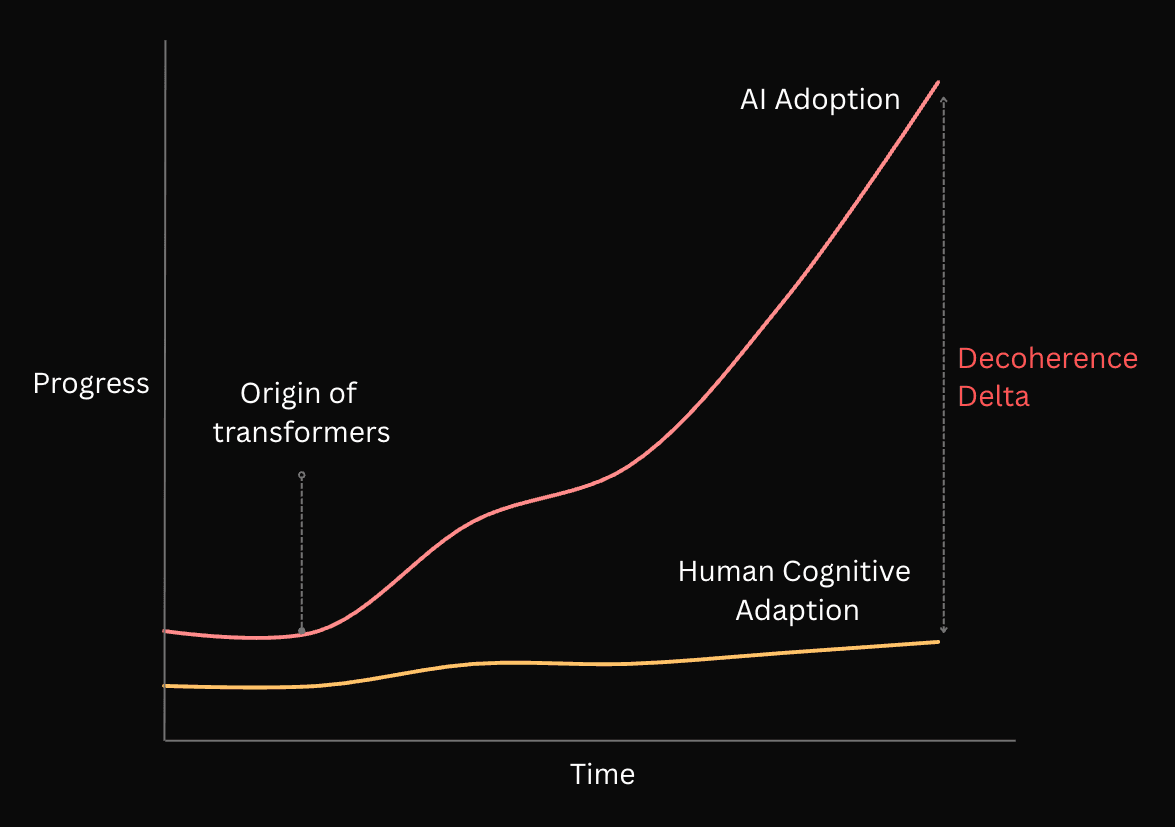
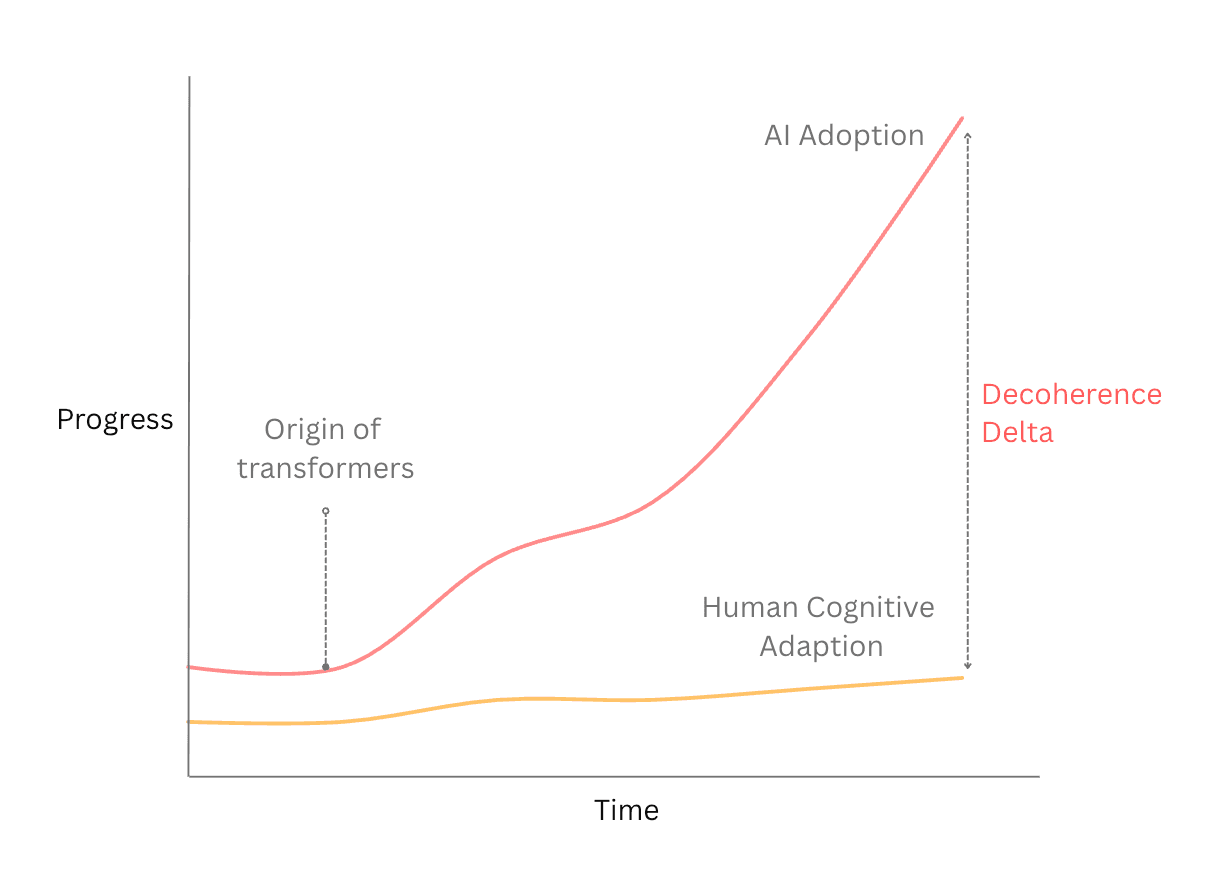
Three key decoherence areas:
1. Fragmented Knowledge Flows
Info fragments across isolated tools; emails, chats, databases, repos. Dissipating like a quantum state under observation. Without persistent memory, insights turn to entropy via manual handoffs and format mismatches.
The Problem: Without persistent memory to bind these flows, organizational intelligence erodes, turning potential insights into irretrievable entropy.
2. Ephemeral Contextual Drift
Context glues reasoning, but it drifts in hyper-connected setups—notifications bury signals, sessions reset, agents forget states. Without self-aware memory, history decouples from actions, stalling intelligent systems.
The Problem: Lacking robust, self-aware memory agents, context becomes a liability, decoupling actions from history and stalling the emergence of truly intelligent systems.
3. Disintegrated Systemic Orchestration
Orchestration needs coherent entanglement of tasks, agents, workflows. Brittle scripts and ad-hoc integrations fail at scale. Without grounded agents, it devolves to chaos, blocking adaptive intelligence beyond human limits.
The Problem: Absent a swarm of contextually grounded agents, orchestration devolves into chaos, preventing the scalable, adaptive intelligence required to transcend human limits.
Solution
Salt bridges the decoherence delta by creating a memory system designed to evolve. We are not storing chats, but designed to store memories and knowledge, by rebuilding the foundation.
Unified Memory Layer: At the heart of Salt lies a persistent memory fabric - where agents recall past events, share insights and maintain context across time. Like a colony that remembers its paths.
Coordinated Agent Swarms: Salt forms teams of memory-linked agents — reviewers in GitHub, trackers in Asana, insight gatherers from Salesforce — forming a self-organizing network capable of adaptive intelligence.
Adaptive Workflow Orchestration: Workflows flow naturally through the swarms. Salt enables organic coordination, where tasks resolve themselves and knowledge compounds automatically.
Imagine its 3 AM, Datadog alert fires. Salt's memory recalls a similar issue from months ago. A swarm of agents activates — one opens a Jira ticket with full context, another reviews related code in GitHub, another drafts a patch. By morning, the problem has resolution waiting for human approval — not by chance, but by collective intelligence that remembers.
Vision
Tomorrow's intelligence won't live in a single model — it'll live in the connections between them. Salt builds that connective tissue: a memory-driven intelligence network where swarms collaborate like ants.
If we saved you even one hour today — that's our real win.
And as we like to say, "let Salt talk to everything, so you don't have to."